PROTAGION
  • Proteges
    • Now What?
    • Career Support Guide
    • Career Goals >
      • Promotion / Raise
      • New Skills
      • Further Qualifications
      • Moving Countries
      • Switching: Consult/Contract/Startup
      • Transition: Specialism/Profession
      • Managing a Business
      • Portfolio Career
      • Purpose & Meaning
      • CPD
      • (Conference 1-5 Mar '21)
    • Example Professions >
      • Accounting
      • Actuarial
      • Asset & Investment Management
      • Risk Management
      • And more... >
        • Talent Management for Professionals
    • Our Services
    • Courses
  • Mentors
    • Encore Mentor
    • Featured Subset >
      • Anne - Australia
      • Boniswa - S Africa
      • Bradley - UK
      • Cherise - Nigeria
      • Hafsa - S Africa
      • Lee - Hong Kong
      • Lusani - S Africa
      • Margaret - S Africa
      • Michael - S Africa
      • Natasha - UK
      • Nikki - UK
      • Sumit - India
      • Trevor - UK
      • And More on our Protege Platform...
  • Subscribe
  • Platform Login
    • Login
    • Sign Up: Free
  • Stories
    • Our Stories & Articles
    • Our Principles
    • Books
We help professionals achieve their career goals
OUR STORIES
Over 150 career-related articles and counting... Scroll down to read
NEED MORE CAREER SUPPORT? Our professional mentors & coaches are here to help
Join our in-a-group facilitated sessions & explore your career questions with us​
SUBSCRIBE TO JOIN OUR
IN-A-GROUP SESSIONS

Habits of Mind

13/9/2023

0 Comments

 
16 habits which help us approach problems better (and be better professionals) - which of them are YOU strongest and weakest at? 

While 'Habits of Mind' has been used in US schools for 25+ years and was developed over decades, I only recently came across the concept thanks to research by Tokuhama-Espinosa and others looking into mental frameworks across education/learning, psychology and neuroscience. The 16 habits were developed by Costa and Kallick, and paraphrased are: 

(1) Persistence
(2) Self-regulation 
(3) Understanding, empathy & considering others' perspectives 
(4) Thinking flexibly / adaptability 
(5) Metacognition i.e. thinking about our thinking 
(6) Striving for the best 
(7) Questioning and problem posing i.e. seeking improved information 
(8) Applying past knowledge to new situations
(9) Thinking & communicating clearly, including sharing ideas 
(10) Gathering data through ALL our senses: sight, smell, taste, touch and hearing
(11) Creating, imagining and improving  
(12) Responding with wonderment and awe / finding joy
(13) Taking calculated risks
(14) Not taking things too seriously / finding humour 
(15) Working interdependently and collaboratively 
(16) Being open to continuous learning 

On average, technical professionals tend to be much better at some of these 16 than others, especially when the route to qualification itself requires a lot of (1). And, sometimes our circumstances can encourage us to stretch ourselves and/or dampen our natural tendencies. Costa and Kallick suggest that the habits are constantly refined throughout our lifespans. 

As you reflect on YOUR relative strengths, please consider each deeply, rather than glibly - no matter how experienced we are, we can all still learn, sometimes from surprising sources! In my case, (3), (9) and (15) have taken deliberate practice (and I learn so much from others). I'm not (yet) good at (10) or (12). I love (11) though! 

I'd love to hear your reflections too - please do leave a comment below! 
0 Comments

Derailers: Why Leaders Fail

19/5/2022

0 Comments

 
Much of the writing on leadership (mine included!) concentrates on the positive stories and helpful hints, partly because it’s human nature to prefer the optimism. However, it’s also valuable to be aware of our blindspots and the traits we have that could potentially derail us in our leadership journeys. Career derailment typically occurs when an executive’s career is going well and should be progressing but it unintentionally fails. I’ve heard that roughly half of executives derail at least once in our careers (!) but given its nature, derailing isn’t widely publicised (unless high profile). 
Picture
It’s helpful for leaders to be sensitive to potential derailment of those around us too, especially in our own teams, so that we can offer support. There is some connection to burnout, although that is often caused by external factors wearing us down rather than inherent personality-based behavioural traits we have. The first step in dealing with our derailers is to recognise that we are fallible. And that imperfect human beings can still be amazing leaders. Acknowledging this frees us to learn to manage our derailers. 

Understanding derailers helps us better understand why talented leaders make poor decisions, overlook opportunities, alienate key people, and miss obvious trends, even when we genuinely want to do the right thing. Read more to see how our strengths and derailers are related, explore potential causes of stress, and unpack 11 behavioural traits that can cause leaders to fail. As you read, please reflect on yours, and their triggers, and do reach out to us if you’d like support in managing them on your own leadership journey. 

Read More
0 Comments

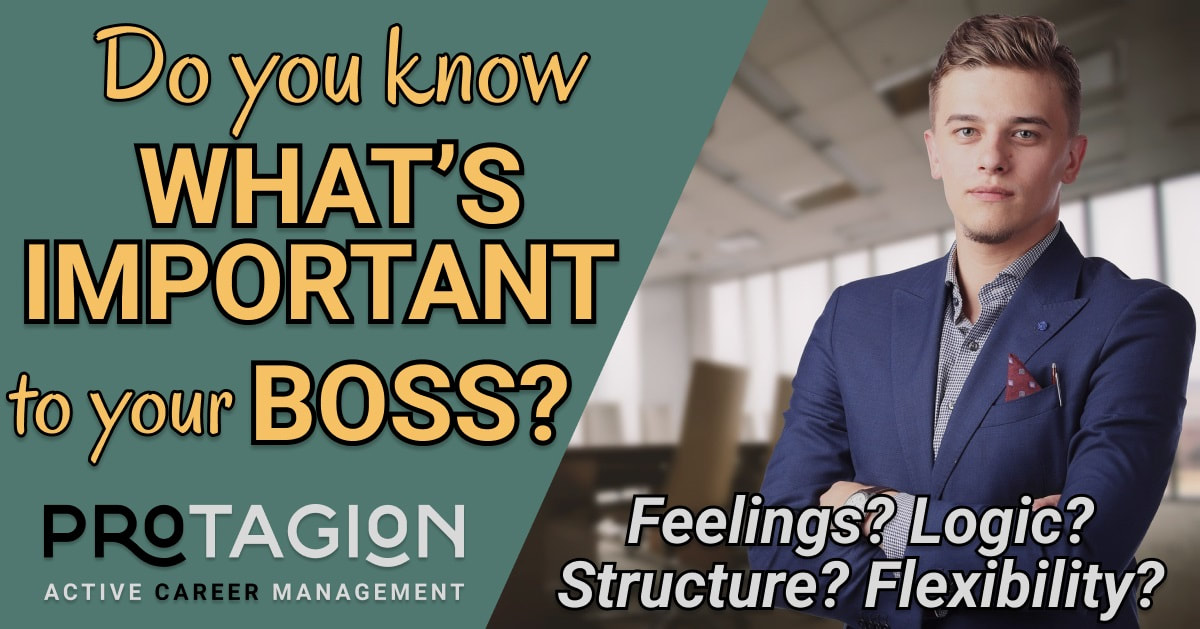
Do You Know What's Important to Your Boss?

12/4/2022

2 Comments

 
I’ve been listening to some personality-themed podcasts, exploring ‘cognitive functions’ i.e. how we make decisions. In this article, I attempt to distil some of this, exploring what each of four different types of people particularly value. I focus on one of our most important relationships at work: the relationship with our boss, and unpack each type considering what’s likely to be important to them. The underlying theory is that each type has different mental wiring, and they evaluate the world through this process i.e. how they believe the world ‘should’ be.

The four types are split by two dimensions: 
(i) thinking/logically-driven or feeling/people/emotionally-driven
(ii) structured/process-focused or flexible/opportunity-focused

You probably have a pretty good feeling of which type your boss might be, and which type you are – where these differ, it’s important to pay particular attention as valuing different things could lead to misunderstandings between you, especially in pressurised situations. 
Picture
Over the remainder of this article, I explore each type in turn, discussing what’s important to them. The more you can adjust your behaviour and delivery to give your boss what they value (while still being true to yourself), the better your relationship with them is likely to be, and the more you will meet their needs – which could lead to better increases, higher bonuses and more promotions. Read more to dive into the detail of each type.

Read More
2 Comments
<<Previous

    Follow @Protagion

    Author

    Bradley Shearer
    ​Founder of Protagion
    My Personal Journey
    I'd love to hear your stories

    SHARE YOUR
    STORY WITH ME

    Categories

    All
    Active Career Management
    Branching Out
    Connection
    Consulting
    Contracting
    Future Of Work
    Inspiration
    Leadership
    Learning
    Mentoring
    Non Executive Directors (NEDs)
    Personal Journeys
    Professions
    Psychology
    Real Life Examples
    Role Options
    Routes To The Top

    RSS Feed

"NOW WHAT?" - a common question our visitors ask...
​WE CAN HELP!
Examples of common career goals, with resources for each: promotion, new skills, further study/qualifications, moving countries, switching into consulting / contracting / startup, transition to new specialism or profession, managing a business, portfolio career, purpose & meaning, CPD, and more... 


Follow @Protagion
Home / Proteges
> ​Services
> Subscribe
> CPD
​​

​Mentors

Our Stories / Blog

Sign Up to use our System
​
​
Privacy Policy​
Career Development and Talent Management for professionals: accountants, actuaries, analysts, asset managers, bankers, CFAs, data scientists, engineers, investment managers, risk managers, and more...
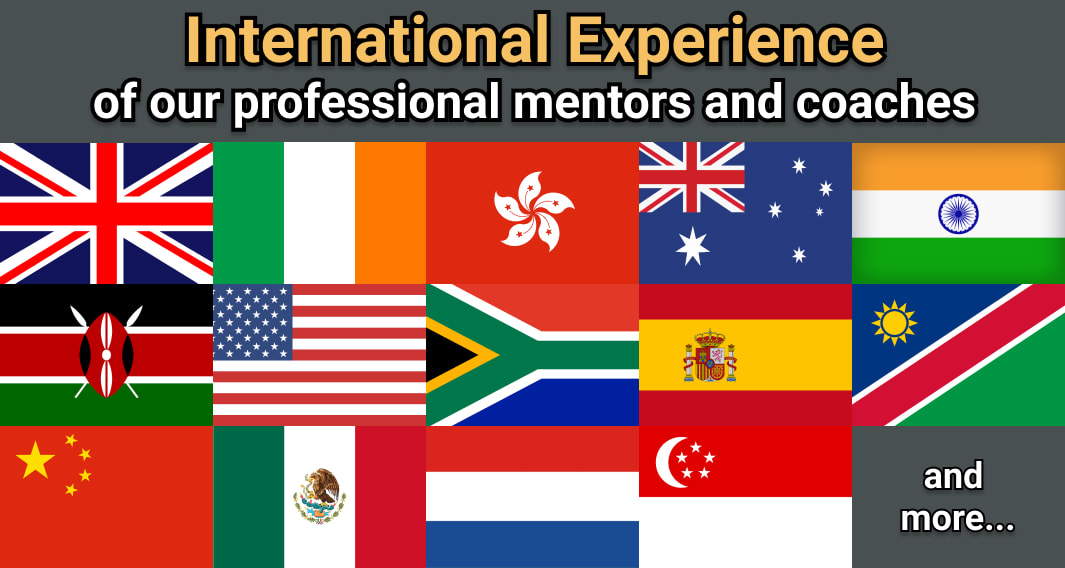
Protagion currently offers services in English, although some of our mentors & coaches speak other languages too. ​Please email us if you have any questions.
Picture

​© 2017-2026 PROTAGION LIMITED (10721032) is a company registered in England and Wales.
Registered Address: 128 City Road, London, United Kingdom, EC1V 2NX

Photos from Pjposullivan1, paul.horsefield, flazingo_photos, wuestenigel (CC BY 2.0), SURF&ROCK (Miguel Navaza), symphony of love, timo_w2s, ksunderman, Pjposullivan1, www.ilkkajukarainen.fi, Official U.S. Navy Imagery, Pjposullivan1, Kuruman, Pricenfees, Tennis-Bargains.com, wuestenigel
  • Proteges
    • Now What?
    • Career Support Guide
    • Career Goals >
      • Promotion / Raise
      • New Skills
      • Further Qualifications
      • Moving Countries
      • Switching: Consult/Contract/Startup
      • Transition: Specialism/Profession
      • Managing a Business
      • Portfolio Career
      • Purpose & Meaning
      • CPD
      • (Conference 1-5 Mar '21)
    • Example Professions >
      • Accounting
      • Actuarial
      • Asset & Investment Management
      • Risk Management
      • And more... >
        • Talent Management for Professionals
    • Our Services
    • Courses
  • Mentors
    • Encore Mentor
    • Featured Subset >
      • Anne - Australia
      • Boniswa - S Africa
      • Bradley - UK
      • Cherise - Nigeria
      • Hafsa - S Africa
      • Lee - Hong Kong
      • Lusani - S Africa
      • Margaret - S Africa
      • Michael - S Africa
      • Natasha - UK
      • Nikki - UK
      • Sumit - India
      • Trevor - UK
      • And More on our Protege Platform...
  • Subscribe
  • Platform Login
    • Login
    • Sign Up: Free
  • Stories
    • Our Stories & Articles
    • Our Principles
    • Books